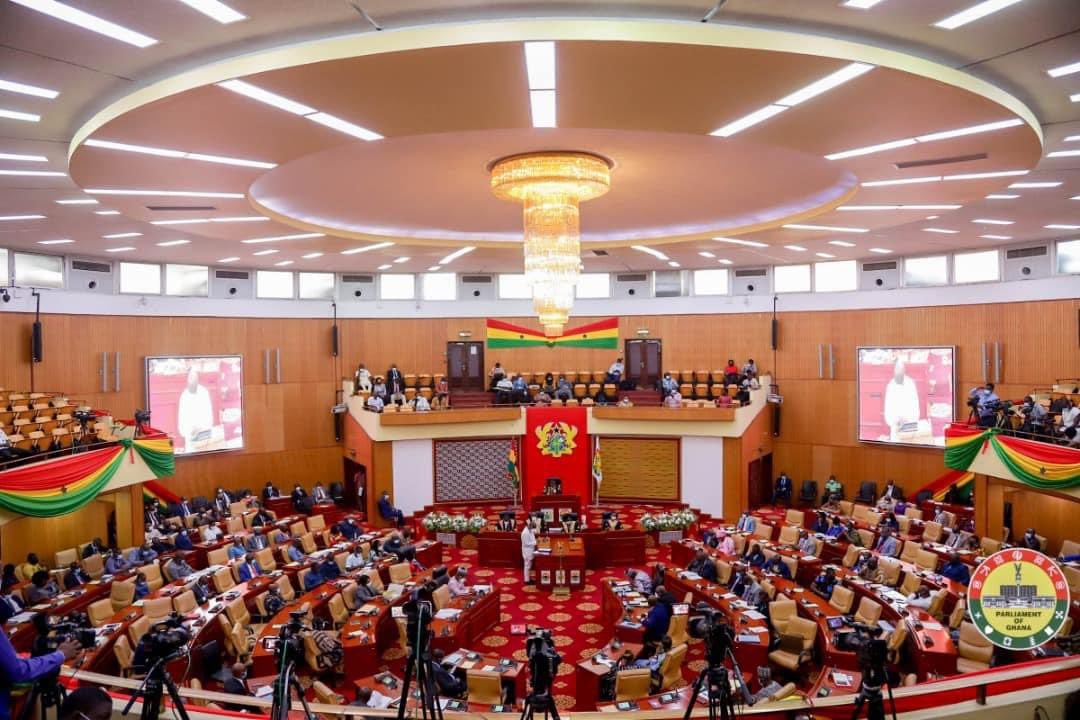

President John Dramani Mahama convened an emergency Cabinet session at the Jubilee House to address an escalating crisis in Ghana’s cocoa sector. The meeting comes at a critical juncture as the nation faces a perfect storm of falling international prices, a shift in global purchasing models, and thousands of cocoa farmers across the Western and Ashanti regions reporting months of unpaid arrears.
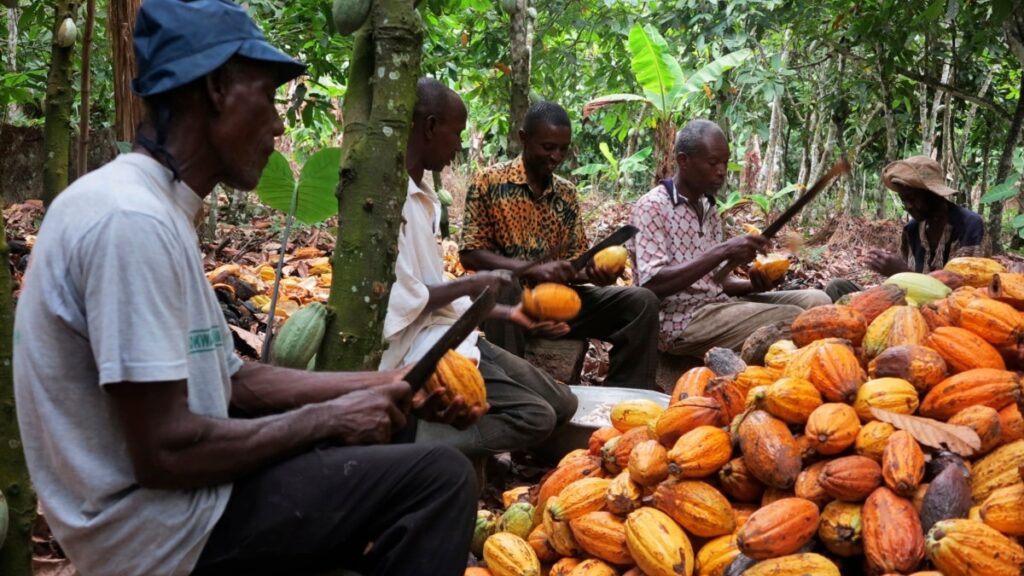
The cocoa industry, long considered the backbone of the Ghanaian economy, is currently grappling with a “financing deadlock” that threatens the livelihoods of over 800,000 farm families and the stability of the national currency.
The Financing Deadlock: A New Purchasing Model in Peril
For decades, the Ghana Cocoa Board (COCOBOD) relied on an annual syndicated loan from international banks to purchase cocoa beans from farmers. However, in late 2025, the government attempted to transition to a “self-financing” model to reduce the country’s high-interest debt burden.
The transition has proven rocky. Sources within the Ministry of Food and Agriculture indicate that several major international chocolate manufacturers and commodity traders have been hesitant to pay upfront under the new model, leading to a severe liquidity crunch. This has left COCOBOD unable to release the necessary funds to Licensed Buying Companies (LBCs), which in turn has halted payments to farmers at the grassroots level.
Falling Global Prices and the ‘Living Income Differential’
Compounding the internal financing struggle is the volatility of the global cocoa market. After a historic surge in prices in 2024 and 2025, the market has seen a sharp “correction” in early 2026. This slump has made it difficult for Ghana to maintain the Living Income Differential (LID)—the $400-per-tonne premium intended to alleviate farmer poverty.
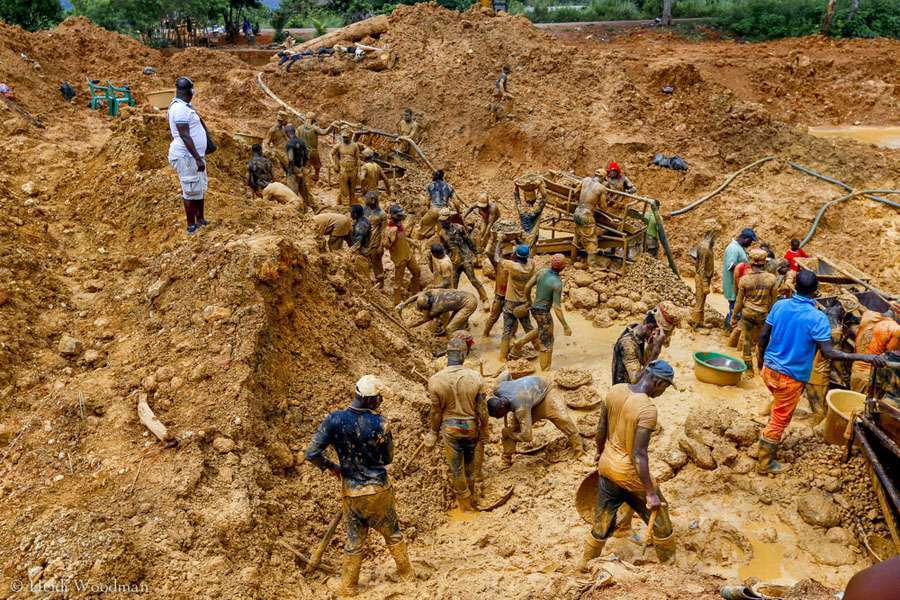
During the emergency session, the Cabinet reportedly reviewed a technical report suggesting that Ghana’s cocoa output for the 2025/2026 season could drop by 15% due to a combination of erratic rainfall and the continued menace of “Galamsey” (illegal mining) encroaching on fertile cocoa lands.
Farmer Unrest and the Threat to 2028 Support
The political stakes of the cocoa crisis are immense. In the cocoa-growing heartlands, farmer cooperatives have begun organizing protests, demanding that the government return to the syndicated loan model to ensure immediate payment.
“We cannot eat promises,” said Samuel Anane, a veteran cocoa farmer in Sefwi Wiawso. “We have delivered our beans to the sheds, but the money is not coming. School fees are due, and fertilizers are expensive. If the government cannot pay us, we will have no choice but to sell our land to the miners.”
For President Mahama and the NDC, failing to resolve this crisis quickly could alienate a massive voting bloc. The cocoa regions are often “swing” areas that determine the outcome of national elections, and any perceived negligence toward farmers could be politically fatal.
Key Decisions Expected from the Jubilee House
While the full minutes of the emergency session remain confidential, a spokesperson for the Presidency hinted at several immediate interventions:
- Bridge Financing: The government is in talks with the Bank of Ghana to provide an emergency GH₵5 billion credit line to COCOBOD to clear farmer arrears.
- Syndication U-Turn: Cabinet is reportedly debating a partial return to the international syndicated loan market for the 2026/2027 season to restore trader confidence.
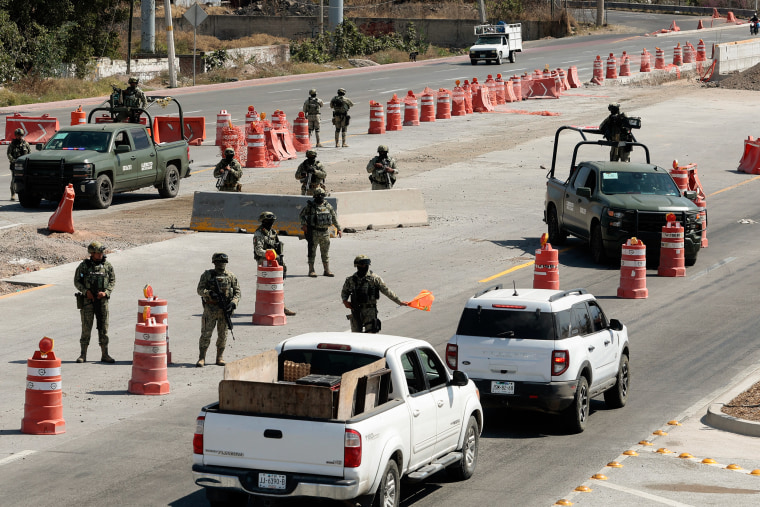
- Galamsey Crackdown: A renewed military-led operation to protect cocoa plantations from illegal mining activities, which have devastated the soil quality in the Western North region.
The Road Ahead: Diversification vs. Tradition
Economists argue that this crisis highlights the urgent need for Ghana to move up the value chain. Instead of exporting raw beans and remaining at the mercy of global price fluctuations, the 2026 Cabinet strategy is expected to include tax incentives for local chocolate manufacturers and the establishment of more cocoa processing plants in the Free Zones enclave.
As the meeting concluded, the message from the Jubilee House was clear: The cocoa sector is a “national security priority,” and the government will do whatever is necessary to prevent a total collapse of the industry.