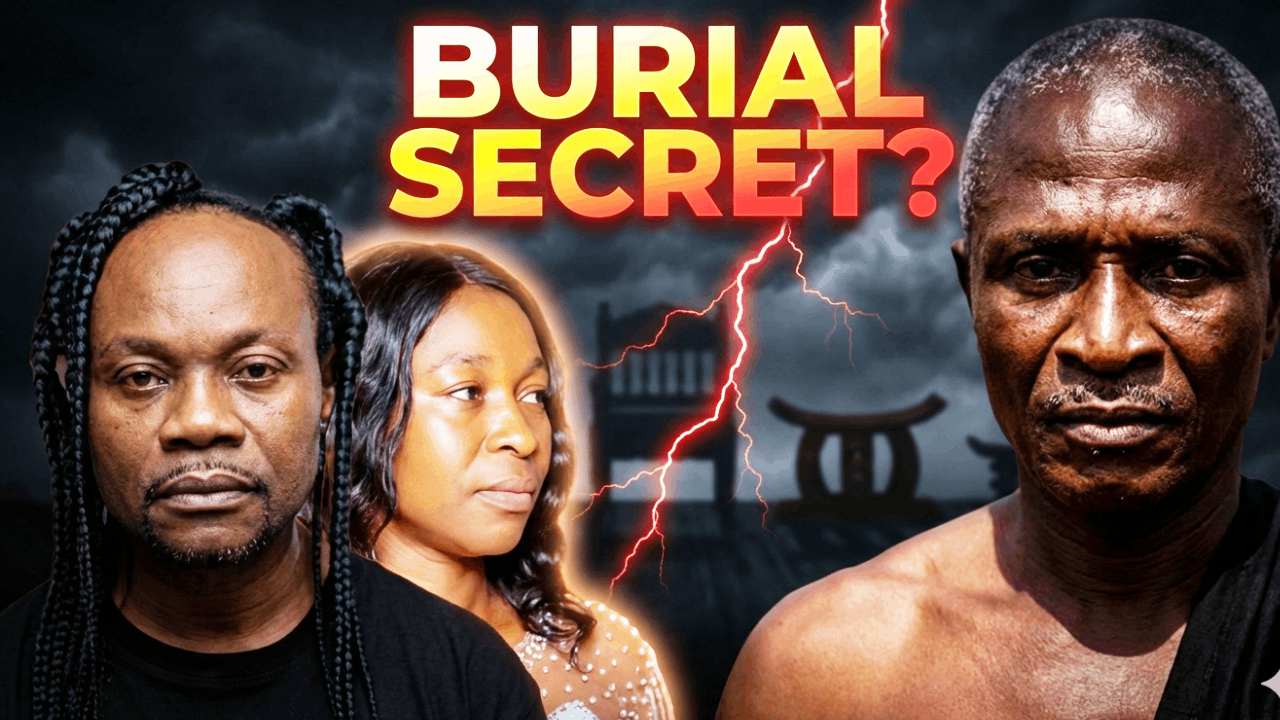
A developing situation in Parkoso has sparked intense public conversation after members of the late highlife icon Daddy Lumba’s extended family reportedly gathered at their ancestral home to deliberate on unresolved issues surrounding his burial and family leadership.
The meeting, described by sources close to the family as tense and emotionally charged, has now triggered wider debate across social media and traditional circles. At the heart of the matter are questions about burial transparency, traditional authority, and internal family disagreements that appear far from resolved.
This article examines what is being alleged, the cultural implications, and why the issue is generating national attention.
Background: A Legend Whose Influence Transcends Generations
Daddy Lumba remains one of Ghana’s most celebrated musical figures, credited with shaping the modern highlife sound and influencing multiple generations of artists. Beyond his musical legacy, he held deep roots in traditional family structures and cultural identity.
For this reason, any development connected to his family, burial, or legacy carries emotional and cultural weight. In many Ghanaian traditions, burial rites are not only spiritual acts but also powerful communal and ancestral responsibilities. Disputes in such matters can quickly move from private family concerns to broader community conversations.
The Parkoso Family Gathering
According to information circulating among community members and observers, the family convened a private meeting at their Parkoso home to address what they described as lingering concerns about the circumstances surrounding Lumba’s burial.
Sources say several elders, relatives, and key family stakeholders attended the meeting. The gathering reportedly focused on:
- The exact burial arrangements
- Family leadership roles
- Accountability among traditional custodians
- Internal disagreements about decisions made after his passing
Family meetings of this nature are common in traditional Ghanaian settings, especially when dealing with matters tied to lineage, inheritance, and spiritual obligations.
However, what has made this particular meeting controversial are the claims that emerged afterward.
Petition to Traditional Authority
One of the most widely discussed claims from the meeting is that some family members allegedly petitioned the Parkoso traditional authority to take action against Abusuapanin Tupac.
In Akan tradition, an Abusuapanin serves as the head of a family, responsible for overseeing important decisions, protecting family interests, and ensuring transparency in cultural matters such as burials.
Those supporting the petition reportedly argue that there are unanswered questions surrounding decisions made after Lumba’s passing, including communication gaps and concerns about how certain matters were handled.
It is important to stress that these remain claims from within sections of the family and have not been officially confirmed by traditional authorities.
Burial Location Controversy
Perhaps the most sensitive aspect of the situation revolves around uncertainty expressed by some family members regarding the exact burial arrangements.
In Ghanaian culture, burial locations are sacred. They symbolize lineage continuity, ancestral connection, and spiritual transition. Any confusion around this topic can trigger emotional responses and calls for clarification.
Some relatives reportedly expressed worry that not all members of the extended family were adequately informed or involved in decisions tied to the burial process.
Others, however, maintain that the necessary traditional procedures were followed.
As of now, there has been no official statement clarifying these concerns.
Spiritual Claims Stir Public Reaction
Adding to the emotional intensity of the meeting are claims that spiritual manifestations occurred during discussions, including reports that a relative spoke under what some described as a spiritual influence.
According to circulating accounts, the relative allegedly communicated emotional messages said to be connected to the late musician’s spiritual state.
These claims have rapidly spread across social media, fueling debate and speculation.
However, such reports remain unverified and fall within deeply personal belief systems tied to cultural and spiritual traditions.
In many Ghanaian communities, spiritual interpretations often form part of mourning processes and ancestral remembrance. Yet they also require careful handling to avoid misinformation and sensationalism.
Cultural Context: Why Burial Matters So Much
To fully understand the seriousness of this situation, one must appreciate the role burial plays in Akan and Ghanaian tradition.
Burial is not merely about laying a person to rest. It represents:
- Spiritual transition into the ancestral realm
- Honor to the deceased
- Closure for the family
- Cultural continuity
When burial concerns arise, they often point to deeper issues such as authority struggles, inheritance disagreements, or family communication breakdowns.
In many cases, such disputes are resolved internally through dialogue, mediation, and traditional leadership guidance.
Leadership Tensions Within Families
Disagreements within prominent families are not uncommon, particularly after the loss of a central figure.
A figure like Daddy Lumba would naturally have multiple branches of relatives, advisors, and associates, all with emotional and cultural stakes in his legacy.
Such tensions can stem from:
- Decision-making authority
- Communication gaps
- Differing interpretations of tradition
- Emotional grief
Family leadership roles, especially the position of Abusuapanin, often come under scrutiny during such times.
Social Media Amplification
The story has gained momentum largely because of its spread across social media platforms.
Ghanaian audiences are deeply invested in stories involving:
- Celebrities
- Traditional authority
- Family disputes
- Cultural rituals
As a result, narratives—especially emotional ones—can quickly trend, sometimes before facts are confirmed.
Experts warn that this environment can intensify conflicts rather than help resolve them.
Silence from Traditional Authorities
At the time of writing, there has been no official public statement from the Parkoso traditional leadership regarding the alleged petition or claims made during the family meeting.
Traditionally, such matters are handled privately and only disclosed publicly when necessary.
It is therefore possible that discussions and mediation processes may already be underway behind the scenes.
The Weight of Legacy
The controversy highlights an important reality: the passing of influential figures often opens deeper conversations about legacy, memory, and authority.
Daddy Lumba’s legacy is not only musical—it is cultural, spiritual, and generational.
How his story is handled moving forward will influence how future generations remember him.
A Call for Calm and Dialogue
Cultural observers emphasize the need for restraint and dialogue in matters like these.
Public speculation can complicate reconciliation efforts and deepen misunderstandings.
Family disputes, especially those tied to burial and leadership, often require patience and careful mediation.
Many believe the best path forward lies in:
- Private reconciliation
- Respect for tradition
- Clear communication
- Community support
National Attention and Public Interest
Given Daddy Lumba’s influence in Ghana and beyond, any development tied to his family is bound to attract national attention.
Fans continue to express concern, sympathy, and curiosity.
For many, the hope is not controversy—but clarity, peace, and respect for his memory.
Several possible developments could unfold:
- Internal family mediation
- Traditional authority intervention
- Public clarification
- Cultural reconciliation
Until official statements emerge, much of the conversation will remain speculative.
Observers advise relying on verified information rather than social media narratives.
Final Reflection
Moments like this remind society that behind every legend is a human story—one filled with family, culture, emotions, and tradition.
As conversations continue, the priority for many remains honoring the memory of Daddy Lumba while allowing his family and traditional leaders the space to resolve matters respectfully.
History often remembers how communities handle such moments—not just the controversy, but the dignity shown in the process.