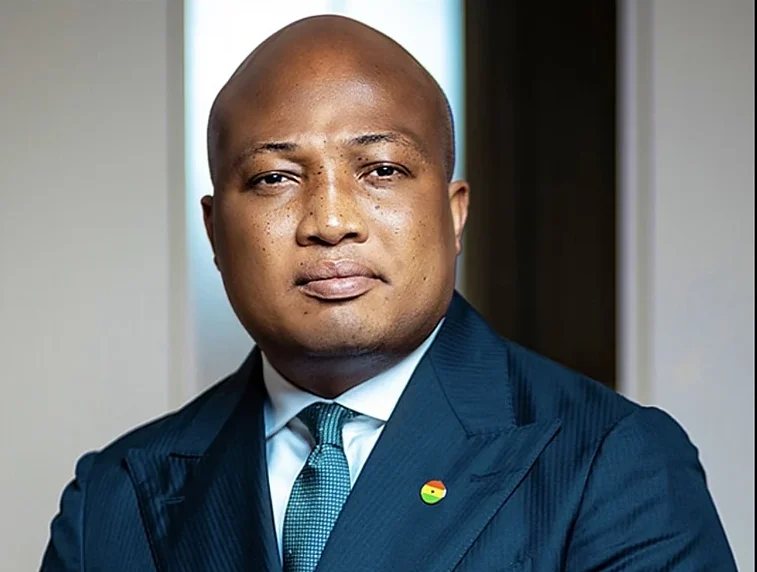
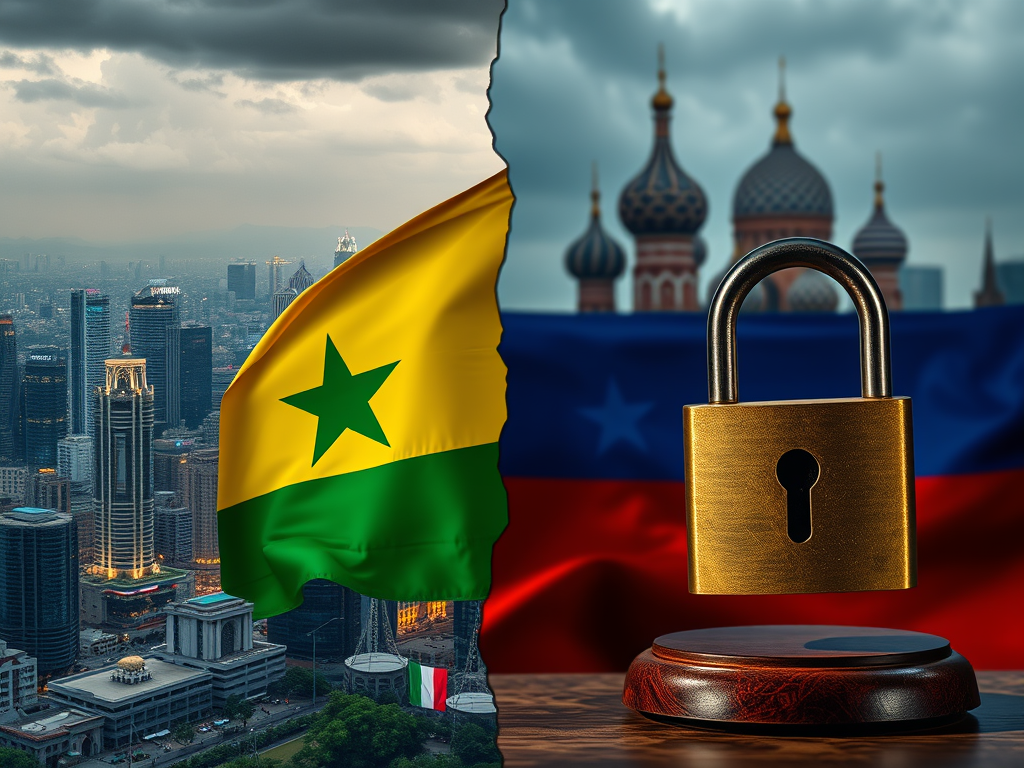
In recent days, intense debate has dominated Ghana’s public space. This follows a bold statement from Sam George, Ghana’s Minister for Communications, Digital Technology and Innovation. His comments, which suggested that Ghana would pursue the arrest and possible extradition of a Russian citizen accused of recording and distributing intimate videos without consent, triggered strong reactions both locally and internationally.
Many Ghanaians applauded the government’s tough stance, seeing it as a long-overdue defense of privacy, dignity, and digital rights. Others, however, raised a critical question: Is extraditing a Russian citizen from Russia to Ghana even legally possible?
This article separates emotion from law, politics from reality, and explains — in clear terms — what Ghana can do, what Russia is likely to do, and what international law actually allows.
What Sam George Actually Said
According to public statements, Sam George made it clear that Ghana would not ignore allegations that a foreign national secretly recorded and shared intimate videos involving Ghanaian women.
His position rests on three main points:
- The alleged acts constitute cybercrime under Ghanaian law
- Nationality does not excuse criminal conduct committed against Ghanaians
- Ghana will pursue all legal and diplomatic options, including extradition
Importantly, Sam George did not declare the suspect guilty. Rather, he emphasized accountability and the state’s responsibility to protect citizens from digital exploitation.
Why the Case Has Become International
This case escalated beyond Ghana’s borders for one simple reason: the suspect is reportedly a Russian citizen currently outside Ghana, believed to be within Russia.
Once a suspect leaves a country’s territory, local law enforcement power ends. From that point, everything depends on:
- International law
- Extradition treaties
- Constitutional protections
- Diplomatic cooperation
This is where public expectations often clash with legal reality.
What Ghanaian Law Says About the Alleged Offence
Under Ghanaian law, particularly cybersecurity and privacy-related statutes, it is a criminal offence to:
- Record intimate images without consent
- Distribute private sexual content
- Violate an individual’s digital privacy
If the alleged acts occurred in Ghana or involved Ghanaian victims, Ghana has jurisdiction to investigate, charge, and prosecute.
Legally, Ghana is on firm ground within its own borders.
The problem is not whether the act is illegal — the problem is enforcement across borders.
Understanding Extradition: The Legal Basics
Extradition is not automatic. A country cannot simply demand another country “hand over” a suspect.
For extradition to happen, several conditions must usually be met:
- An extradition treaty or agreement must exist
- The offence must be a crime in both countries (dual criminality)
- The requested country must allow extradition under its constitution
- The suspect must be physically within the requested country
- Political and diplomatic approval must be granted
Failure of any one of these conditions can block extradition entirely.
The Russian Constitution and Extradition
This is the central legal obstacle.
Under the Constitution of Russia, Russian citizens are generally not extradited to foreign states.
This principle is not unique to Russia. Many countries — including powerful ones — protect their citizens from extradition.
As a result, if the suspect:
- Is a Russian citizen
- Is physically present in Russia
Then extradition to Ghana becomes extremely unlikely, regardless of public pressure or political statements.
This does not mean Ghana is wrong to request extradition — it means Russia is not legally obliged to comply.
Does That Mean the Suspect Is “Safe”? Not Exactly
A refusal to extradite does not automatically mean immunity.
International law recognizes a principle known as “extradite or prosecute”. In simple terms:
If a country refuses to extradite its citizen, it may still:
- Request evidence
- Review the allegations
- Prosecute the suspect under its own laws
Whether Russia chooses to do this depends on:
- Whether the alleged conduct violates Russian law
- The strength of evidence provided
- Political will
So while extradition may fail, legal consequences are still possible.
Trial in Absentia: Ghana’s Other Option
Another legal path available to Ghana is trial in absentia — prosecuting a suspect even if they are not physically present.
This approach allows Ghana to:
- Formally charge the suspect
- Establish legal responsibility
- Issue international arrest notices
- Preserve victims’ legal rights
However, trials in absentia are often symbolic unless the suspect later travels to a cooperating country.
Still, they send a strong message: digital crimes have consequences, even across borders.
The Political Versus Legal Reality
Public statements by politicians often serve multiple purposes:
- Reassuring citizens
- Demonstrating leadership
- Sending diplomatic signals
Legally speaking, Sam George is correct to say Ghana will pursue justice. Diplomatically, Ghana is right to assert its sovereignty and protect its citizens.
But legally, the final outcome depends on:
- Russian constitutional law
- International cooperation
- Evidence standards
This gap between political messaging and legal reality is where much public confusion arises.
Why This Case Matters Beyond One Individual
This controversy is not just about one man.
It raises serious global questions about:
- Digital consent
- Cross-border cybercrime
- Protection of women online
- The limits of national law in a digital world
As online platforms erase borders, legal systems are struggling to catch up. This case highlights that challenge vividly.
What Happens Next? Likely Scenarios
Based on international legal practice, the most realistic outcomes are:
- Formal extradition request by Ghana
- Likely refusal by Russia
- Possible trial in absentia in Ghana
- Potential local investigation in Russia
- Long-term travel restrictions for the suspect
Any of these outcomes would mark progress in enforcing digital accountability.
Conclusion: Law Is Slower Than Public Anger
Public outrage moves fast. Law moves slowly.
Ghana has a legal and moral duty to pursue justice for its citizens. Russia has a constitutional framework it is unlikely to abandon. Between these two positions lies international law — complex, cautious, and often frustrating.
This case reminds us of an uncomfortable truth: justice in the digital age requires cooperation, patience, and legal precision.
Strong words may inspire hope, but treaties and constitutions decide outcomes.
Frequently Asked Questions (FAQs)
Can Ghana force Russia to extradite a citizen?
No. Extradition depends on treaties and constitutional law. Ghana cannot force Russia.
Is recording intimate videos without consent a crime?
Yes. It is a crime under Ghanaian law and many international standards.
Can Ghana prosecute the suspect without extradition?
Yes. Ghana can try the suspect in absentia.
Can Russia prosecute its own citizen instead?
Yes, if the conduct violates Russian law and authorities choose to act.