
Ghana’s cocoa sector has been thrown into controversy following the government’s decision to reduce the producer price paid to cocoa farmers. The move, taken under President John Dramani Mahama, has sparked strong reactions from farmers, opposition figures, and civil society groups.
To understand the issue clearly, it is important to examine how cocoa pricing works and why the government says the cut was unavoidable.
How Cocoa Prices Are Set in Ghana
Unlike many commodities, cocoa prices in Ghana are not determined by open market forces at the farm level. The government, through the Ghana Cocoa Board (COCOBOD), fixes a producer price every season.
This price is the amount licensed buying companies must pay farmers per bag of cocoa. Farmers have no control over this figure.
What Changed With the New Cocoa Price?
For the current season, the government reduced the producer price of cocoa. This means farmers now earn less money per bag compared to the previous season.
The decision immediately raised concerns, especially in cocoa-growing regions where livelihoods depend almost entirely on cocoa income.
Why the Government Cut Cocoa Prices
According to government officials, three major reasons influenced the decision.
First, global cocoa prices have declined. Ghana sells cocoa on the international market, and lower global prices mean reduced export earnings.
Second, COCOBOD is facing serious financial challenges, including debt obligations and difficulties securing financing. Maintaining a high producer price under these conditions could worsen the institution’s financial health.
Third, cocoa is a major source of foreign exchange for Ghana. Reduced cocoa earnings put pressure on the national economy, the cedi, and government finances.
Why Farmers and Critics Are Angry
Critics argue that the price cut places the burden of economic problems directly on farmers. Many rural households rely solely on cocoa income, and reduced earnings could increase poverty levels.
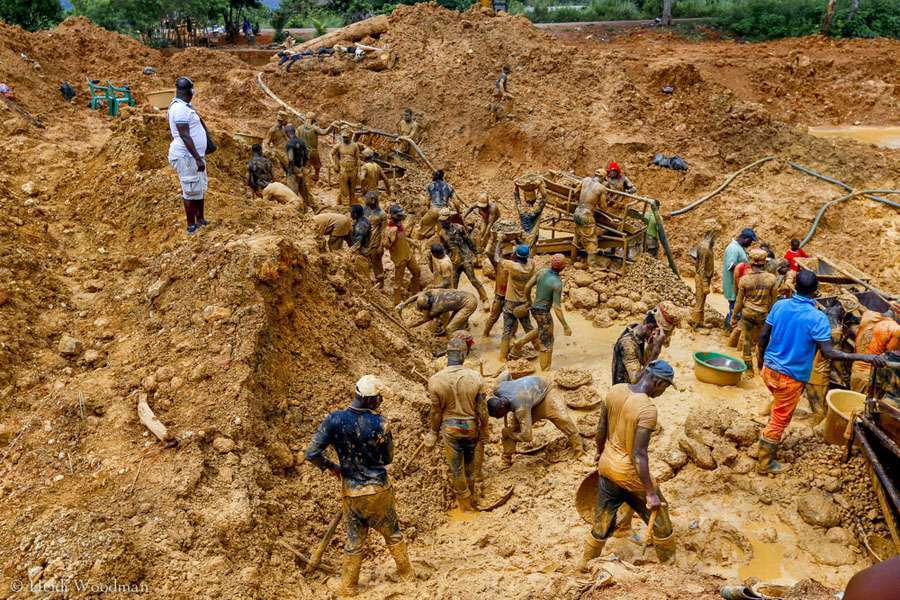
There are also fears that some farmers may abandon cocoa farming for illegal mining activities, worsening environmental degradation.
Politically, the issue has reignited debate over campaign promises and whether enough has been done to protect farmers’ welfare.
The Bigger Economic Implication
The cocoa price cut is not just an agricultural issue. It highlights deeper economic challenges, including debt management, export dependence, and rural development.
The long-term question remains whether government will introduce compensatory measures such as input subsidies, productivity improvements, or bonus payments to cushion farmers.
The cocoa price cut represents a difficult economic choice with serious social consequences. While the government argues it is necessary for economic sustainability, critics insist farmers are being unfairly punished.
How the government responds next will determine whether this decision stabilizes the cocoa sector or deepens rural hardship.