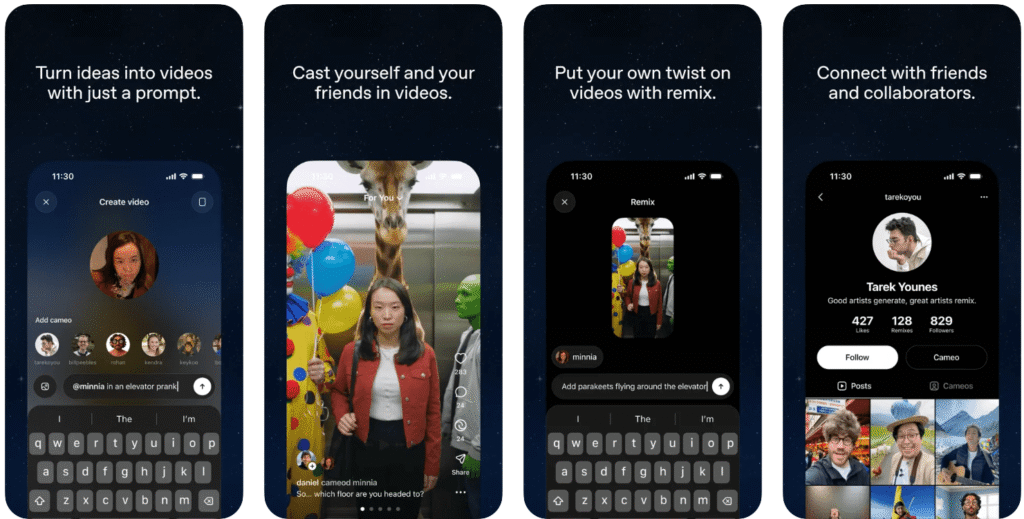
OpenAI officially pulled back the curtain on Sora 2.0, the highly anticipated successor to its viral text-to-video model. While the original Sora stunned the world in 2024 with 60-second cinematic clips, Sora 2.0 represents a fundamental shift from “video generation” to “world simulation.”
The new app, now available in a “Pro Preview” for verified creators, introduces a revolutionary Interactive World Engine. This technology allows users to not only generate a video but to “step inside” and direct it in real-time, changing camera angles, lighting, and character actions as the AI renders the scene.
The “World Engine”: AI That Understands Gravity
The standout feature of Sora 2.0 is its advanced understanding of complex physics. Previous AI models often struggled with “hallucinations”—fingers merging into objects or liquids flowing upward. Sora 2.0 utilizes a new architecture that OpenAI calls Physical Logic Mapping (PLM).
During the live demonstration, OpenAI CEO Sam Altman showed a prompt of a glass of water shattering on a marble floor. In Sora 1.0, the shards might have disappeared; in Sora 2.0, the model calculated the trajectory of every shard, the reflection of light on the spilling water, and the realistic sound of the impact. This “World Engine” allows for persistent environments, meaning if a character leaves a room and returns five minutes later, the room remains exactly as they left it.
Interactive Directing: The End of “Prompt-and-Wait”
For filmmakers and content creators, the most transformative update is the Live Director Interface.
- Real-Time Tweaks: Users can now pause a generation and say, “Change the sunlight to a sunset,” or “Make the character wear a red jacket,” and the AI updates the video instantly without restarting the render.
- Likeness Injection: A new feature called “Cameos” allows creators to upload 360-degree photos of themselves or authorized actors to “cast” them into any generated environment with perfect lighting and movement matching.
Hollywood on Edge: The Ethical Standoff
While the tech community is celebrating, the creative industry is bracing for impact. The Screen Actors Guild (SAG-AFTRA) issued a statement within hours of the release, calling Sora 2.0 “a significant threat to the livelihood of background actors and digital effects artists.”
To mitigate these concerns, OpenAI has integrated a C2PA-compliant “Content Credentials” system. Every pixel generated by Sora 2.0 contains an invisible, permanent digital watermark that identifies the video as AI-generated. Furthermore, the “Cameo” feature is locked behind a strict identity verification process to prevent the creation of unauthorized deepfakes of public figures.
Pricing and Accessibility
OpenAI has moved away from a “waitlist” model for Sora 2.0. The app is now available as a standalone subscription:
- Sora Basic: $20/month (standard resolution, 30-second clips).
- Sora Pro: $80/month (4K resolution, unlimited interactive rendering, and “Cameo” likeness rights).
As AI continues to blur the line between reality and simulation, Sora 2.0 stands as the most powerful tool ever created for human expression—and perhaps the most controversial.