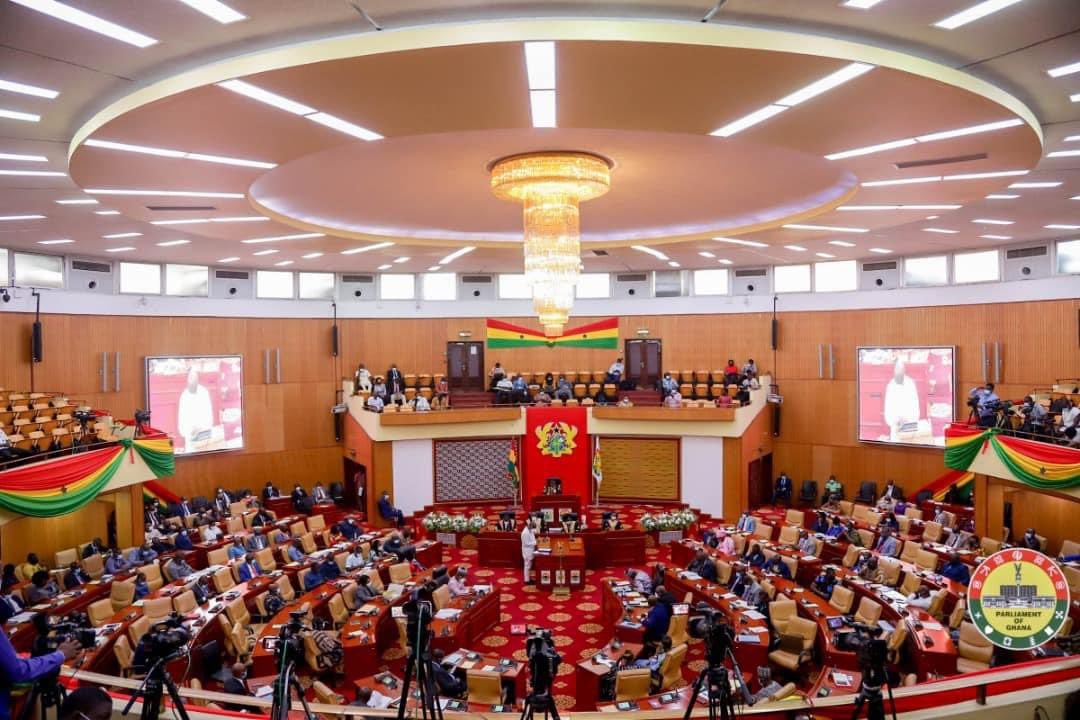
In a landmark session on February 10, 2026, the Parliament of Ghana moved to drastically reshape the nation’s health financing landscape. Lawmakers approved a massive GH₵12.1 billion funding package dedicated to sustaining and expanding medical services across the country.
The approval, which follows weeks of intense committee deliberations, is split into two primary pillars: GH₵9.2 billion for the National Health Insurance Fund (NHIF) and GH₵2.9 billion for the newly established Ghana Medical Trust Fund, popularly known as “Mahama Cares.”
A Lifeline for the NHIS
The GH₵9.2 billion allocation for the NHIS represents a significant increase aimed at addressing long-standing liquidity issues within the scheme. For years, healthcare providers have decried the delay in claims payments, which often forced facilities to revert to “cash and carry” systems for certain services.
According to the Ministry of Health, the 2026 formula for the NHIF is specifically designed to:
- Expedite Claims Reimbursement: A substantial portion is earmarked to clear arrears and ensure a 30-day turnaround for new claims.
- Broaden the Medicine List: Inclusion of more essential drugs, particularly for geriatric care and pediatric emergencies.
- Infrastructure Support: Providing direct funding to NHIA district offices to improve enrollment and card issuance.
The National Health Insurance Authority (NHIA) has been tasked with rigorous oversight to ensure these funds reach the frontline facilities without administrative bottlenecks.
The “Mahama Cares” Initiative: Tackling Chronic Disease
The standout feature of the day’s proceedings was the formal funding of the Ghana Medical Trust Fund. With GH₵2.9 billion approved, the “Mahama Cares” program is now fully resourced to begin its mission of supporting Ghanaians suffering from catastrophic and chronic illnesses.
Unlike the standard NHIS, which covers basic primary care, Mahama Cares is designed to be a specialized intervention fund for high-cost treatments that typically bankrupt families. The fund will prioritize:
- Dialysis and Kidney Failure: Full or partial subsidies for regular dialysis sessions.
- Oncology: Support for chemotherapy and radiation therapy for cancer patients.
- Cardiac Surgeries: Funding for heart-related operations that were previously only available to the wealthy.
- Diabetes and Stroke Management: Long-term care support for patients dealing with the debilitating aftermath of non-communicable diseases.
Minority Concerns and Quorum Debates
Despite the eventual unanimous support for the objectives of the fund, the path to approval was not without friction. The Minority Caucus initially raised objections regarding the “rushed” nature of the bill and questioned the sustainability of the funding model, which draws 20% of its resources from the existing NHIS levy.
Ranking members on the Health Committee cautioned that diverting funds from the NHIS to a new trust could weaken the primary insurance scheme. However, the Minister for Health, Kwabena Mintah Akandoh, reassured the House that the budget had been carefully balanced to protect the NHIS while addressing the “deadly gap” in chronic disease care.
Strategic Impact and “Agenda 111”
The approval of these funds also signals a strategic shift toward completing the Agenda 111 hospital projects. The government reaffirmed its commitment to completing at least ten Agenda 111 hospitals by the end of 2026, ensuring that the newly approved funds will have state-of-the-art facilities to operate within.
With this GH₵12.1 billion injection, the government aims to move Ghana significantly closer to its Universal Health Coverage (UHC) targets. For the average Ghanaian, this means fewer out-of-pocket expenses and a more reliable safety net when faced with life-threatening medical crises.