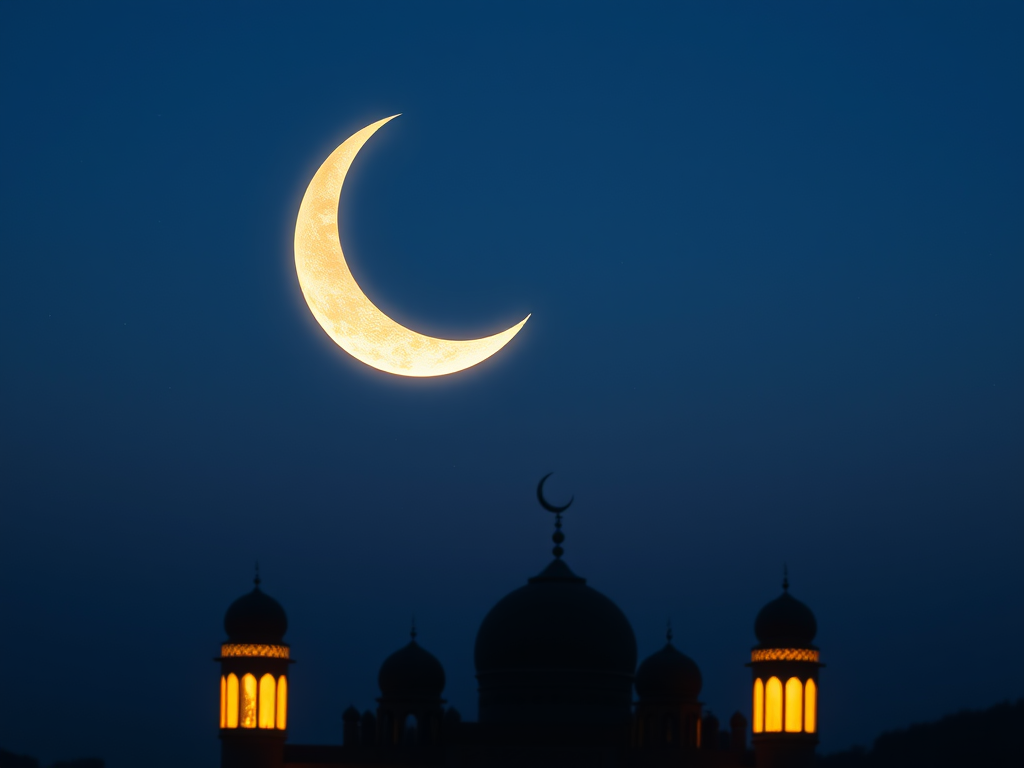
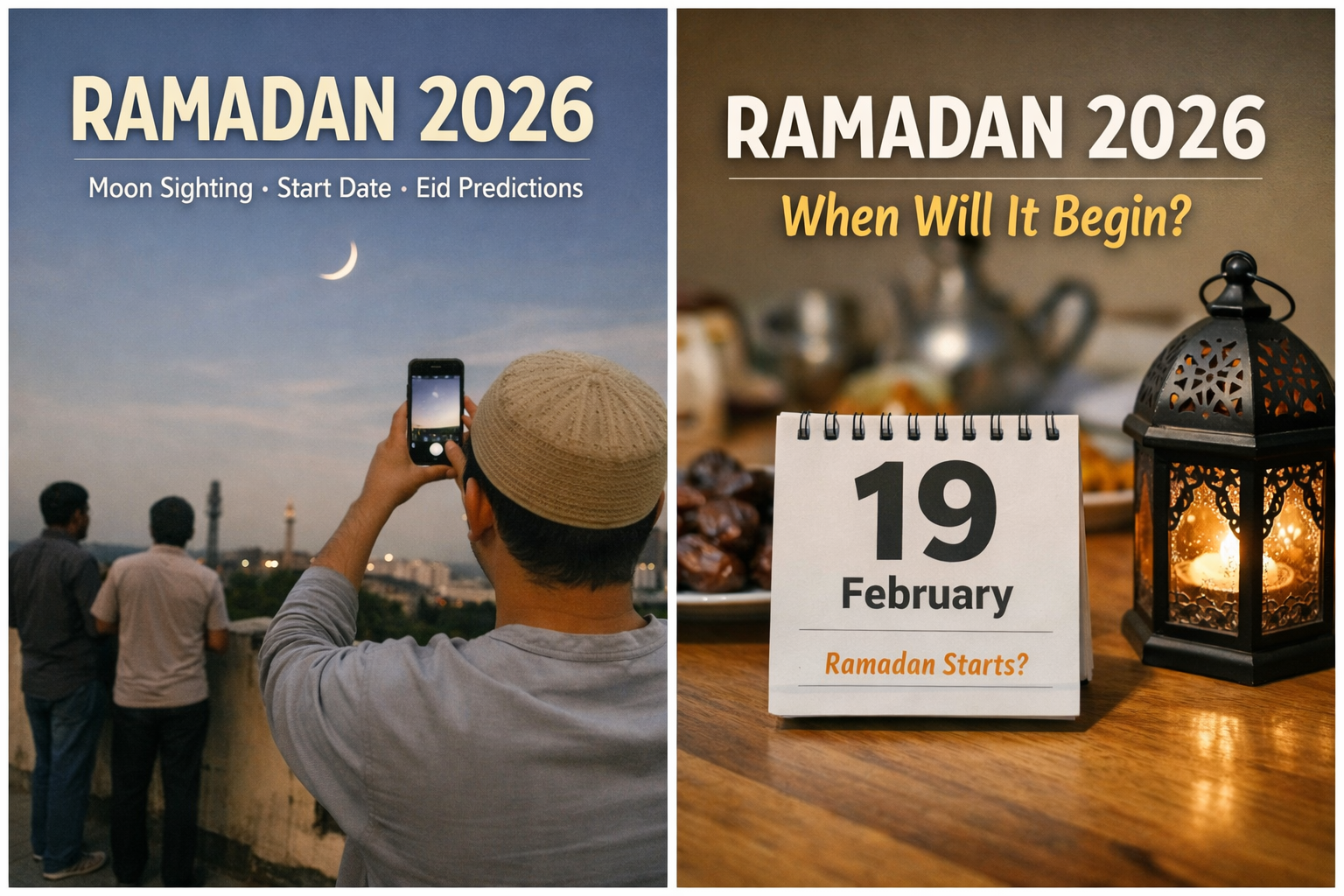
As the Islamic lunar calendar continues its annual cycle, Muslims around the world are preparing for Ramadan 2026 (1447 AH) — a sacred month of fasting, prayer, reflection, and spiritual renewal observed by over a billion people globally.
Because Ramadan follows the Islamic lunar calendar, its exact start and end dates depend on the sighting of the crescent moon. Here is everything you need to know about when Ramadan 2026 is expected to begin, when it may end, how moon sighting works, and what to expect during the holy month.
When Is Ramadan 2026 Expected to Start?
Ramadan 2026 is expected to begin in the evening of Wednesday, February 18, 2026, with the first day of fasting likely to fall on Thursday, February 19, 2026.
However, this date is subject to official moon sighting confirmations in different countries.
The astronomical new moon (conjunction) is projected to occur on February 17, 2026. But in Islam, the month does not begin at conjunction — it begins only when the thin crescent moon (hilal) is visibly sighted after sunset.
If the crescent is sighted on the evening of February 17, fasting could begin on February 18 in some regions. If not, the month of Sha’ban will complete 30 days, making February 19 the first fasting day.
This difference explains why Ramadan sometimes begins on different days in different countries.
Why Moon Sighting Matters
Islam follows a strictly lunar calendar, which is about 10–11 days shorter than the Gregorian calendar. Each Islamic month begins with the sighting of the new crescent moon.
The Prophet Muhammad (peace be upon him) instructed Muslims to begin fasting when they see the crescent and to end fasting when they see it again. Because of this tradition, moon sighting remains both a religious and communal event.
There are two main approaches used worldwide:
1. Traditional Visual Sighting
Many countries rely on official moon-sighting committees. These groups observe the western horizon after sunset on the 29th day of Sha’ban. If the crescent is seen, Ramadan begins. If not, Sha’ban completes 30 days.
2. Astronomical Calculations
Some communities use astronomical data to determine moon visibility in advance. While calculations can predict when the moon is born, visibility depends on factors like:
- Moon age (usually at least 18–24 hours old)
- Position relative to the sun
- Weather conditions
- Geographic location
Because visibility differs across regions, some countries may begin Ramadan earlier or later than others.
When Will Ramadan 2026 End?
Ramadan lasts either 29 or 30 days, depending on the sighting of the next crescent moon marking the month of Shawwal.
If Ramadan begins on February 19 and lasts 29 days, it would end on March 19, 2026, with Eid al-Fitr likely on March 20, 2026.
If it lasts 30 days, the final fast would be March 20, and Eid would fall on March 21, 2026.
As with the start of Ramadan, the end will be confirmed by moon sighting announcements in each country.
What to Expect During Ramadan 2026
Fasting Hours
Ramadan 2026 falls in late winter and early spring in the Northern Hemisphere. This means fasting hours will be moderate in many regions compared to summer months when days are longer.
However, fasting duration varies depending on location. For example:
- Northern countries may experience longer daylight hours.
- Equatorial regions tend to have more consistent day lengths year-round.
Muslims fast daily from dawn (Fajr) until sunset (Maghrib).
What Muslims Do During Ramadan
Ramadan is not just about abstaining from food and drink. It is a comprehensive spiritual experience that includes:
- Increased prayer, especially night prayers (Taraweeh)
- Recitation and reflection upon the Qur’an
- Charity (Zakat and voluntary Sadaqah)
- Acts of kindness and community service
- Self-discipline and personal reform
Fasting includes abstaining during daylight hours from:
- Food and drink
- Smoking
- Marital relations
The fast is broken at sunset with a meal called Iftar, often beginning with dates and water, followed by a larger evening meal.
The Spiritual Significance of Ramadan
Ramadan holds deep significance because it is the month in which the Qur’an was first revealed. It is considered a time when:
- Sins are forgiven
- Supplications are answered
- Spiritual rewards are multiplied
- Hearts are softened toward compassion and generosity
The last ten nights of Ramadan are especially important, as they include Laylat al-Qadr (The Night of Decree) — believed to be better than a thousand months.
Global Impact of Ramadan
Ramadan affects daily life in Muslim-majority countries and Muslim communities worldwide:
- Work and school hours may be adjusted.
- Restaurants may modify operating hours.
- Mosques host nightly prayers.
- Charitable giving increases significantly.
- Communities organize public Iftar meals.
Even in non-Muslim countries, Ramadan is widely recognized due to the size of the global Muslim population.
Summary of Expected Ramadan 2026 Dates
- Astronomical New Moon: February 17, 2026
- Expected First Day of Fasting: February 19, 2026 (subject to sighting)
- Expected Last Day of Ramadan: March 19 or 20, 2026
- Expected Eid al-Fitr: March 20 or 21, 2026
(All dates remain subject to official moon sighting confirmations.)
Ramadan 2026 will once again bring a period of reflection, sacrifice, and spiritual elevation for millions across the globe. While exact dates depend on moon sighting, preparation often begins weeks in advance — both spiritually and practically.
The crescent moon will appear on the horizon. It will mark not just the beginning of fasting but also the beginning of renewal.