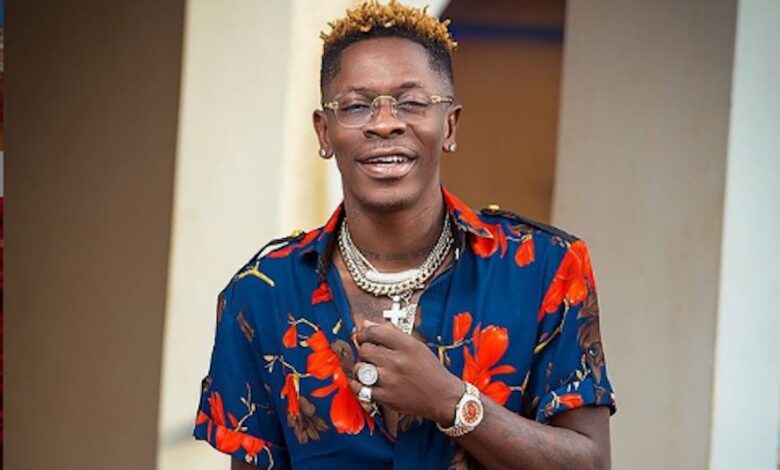
Few musicians in Ghana have experienced the dramatic rise, fall, and comeback that defines the career of Shatta Wale. Today he is known as the self-proclaimed “Dancehall King” of Ghana, a musician with millions of fans, global collaborations, and a powerful movement behind him. But before the fame, wealth, and influence, Shatta Wale’s journey was filled with struggles, controversy, and one of the most remarkable comebacks in African music history.
Early Life and Background
Shatta Wale was born Charles Nii Armah Mensah Jr. on October 17, 1984, in Accra, Ghana. Growing up in a relatively comfortable family, his father, Charles Mensah, was a politician and businessman. Despite the opportunities around him, Shatta Wale developed a passion for music at a very young age.
His interest in music was influenced by the growing popularity of dancehall and reggae in Ghana during the early 2000s. Like many young artists, he began experimenting with music and performing in local studios, hoping to make a name for himself in the Ghanaian music industry.
The Birth of Bandana
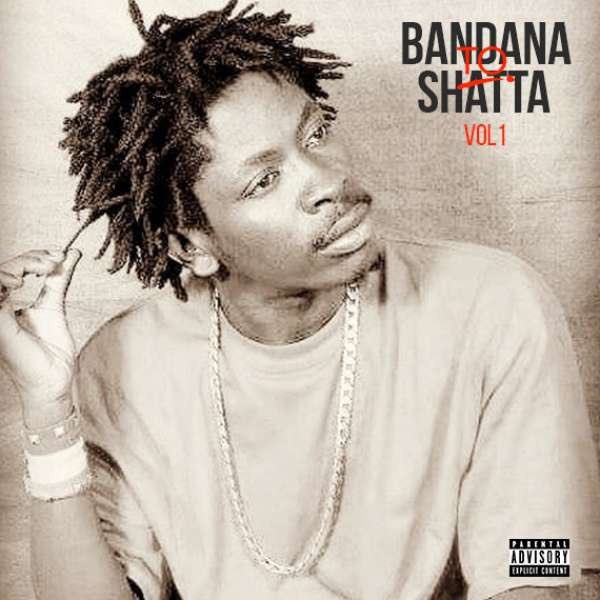
Before the world knew him as Shatta Wale, he was known by the stage name Bandana. His breakthrough came in 2004 when he released the hit song Bandana From Ghana. The song quickly became popular across the country and made him one of the most talked-about young artists at the time.
The success of Bandana From Ghana introduced him to the Ghanaian music scene and gave him early recognition among fans and industry players. Many people believed Bandana was destined to become a major star in Ghana’s music industry.
However, success did not last long.
Disappearance From the Music Scene
After the initial success of his hit song, Bandana slowly disappeared from the spotlight. For several years, he struggled to remain relevant in the industry. The Ghanaian music scene was changing rapidly, and new artists were dominating the charts.
During this period, many critics believed Bandana had become a one-hit wonder. His music career seemed to fade away, and the industry that once celebrated him appeared to have forgotten him.
It was a difficult phase in his life and career. But sometimes, setbacks become the foundation for a powerful comeback.
Reinvention: The Birth of Shatta Wale
After years away from the spotlight, Bandana decided to reinvent himself completely. He changed his stage name to Shatta Wale, a move that symbolized a new beginning in his music journey.
In 2013, he released the song Dancehall King. The track became an instant hit and marked the beginning of one of the greatest comebacks in Ghana’s music industry.
The song dominated radio stations, clubs, and music charts across the country. It also earned him the Artiste of the Year award at the 2014 Ghana Music Awards, firmly establishing his return to the top of the industry.
With this success, Shatta Wale began building a powerful fan base known as the Shatta Movement, a loyal community of supporters who played a major role in his continued dominance in Ghanaian music.
Rise to Stardom
Following his comeback, Shatta Wale released several hit songs that further cemented his position in the industry. Songs such as My Level, Ayoo, and Gringo became popular among fans and expanded his influence across Africa.
His music style, energetic performances, and outspoken personality made him one of the most talked-about artists in Ghana. While some admired his confidence and boldness, others criticized his controversial approach to fame.
Despite the controversies, Shatta Wale continued to release music consistently, keeping his name at the center of entertainment discussions.
International Recognition
One of the biggest milestones in Shatta Wale’s career came in 2019 when he collaborated with global superstar Beyoncé on the song Already. The track appeared on Beyoncé’s album The Lion King: The Gift and later featured in the Disney visual film Black Is King.
The collaboration introduced Shatta Wale to a global audience and significantly boosted his international profile. For many fans, it was proof that the Ghanaian dancehall artist had successfully taken his music beyond Africa.
Controversies and Public Attention
Shatta Wale’s career has also been surrounded by several controversies that kept him constantly in the news. His outspoken personality and public disagreements with other artists have sparked debates within the entertainment industry.
While critics argue that these controversies sometimes overshadow his music, supporters believe they are part of the bold character that defines Shatta Wale’s brand.
Regardless of the opinions, one thing is clear: Shatta Wale has mastered the art of staying relevant in a highly competitive industry.
Legacy and Influence
Today, Shatta Wale is widely regarded as one of the most influential musicians in Ghana’s dancehall scene. His impact on the industry goes beyond music, as he has inspired a new generation of artists who admire his resilience and determination.
From his early days as Bandana to becoming the leader of the Shatta Movement, his journey is a powerful reminder that success is not always a straight path.
Sometimes the world may forget your beginning, but with determination and reinvention, a comeback can redefine your entire story.